
10 Rowan Species and Cultivars for Small to Large Gardens
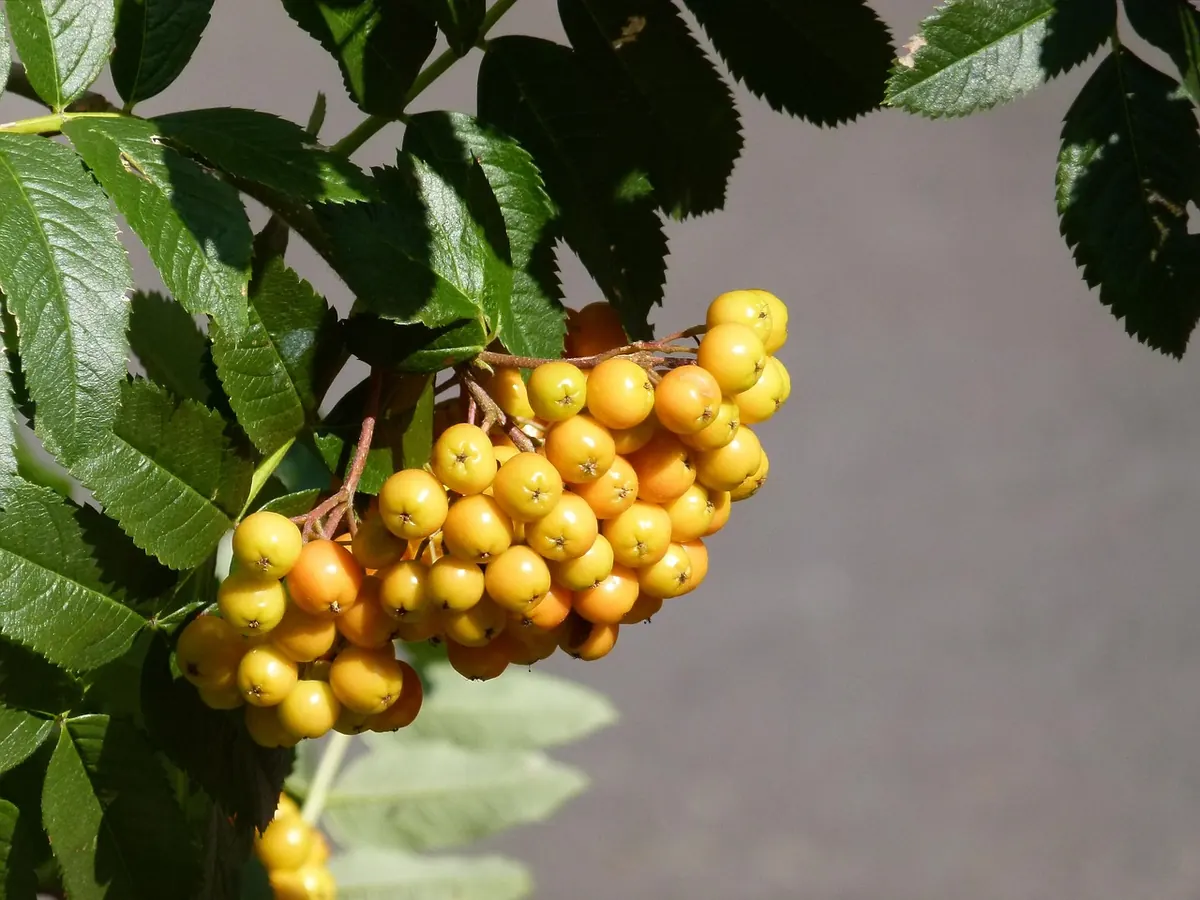
Rowans earn their place in a garden twice over. In spring they carry flat heads of creamy blossom that hum with bees, and by late summer those flowers have become heavy clusters of berries in orange, red, pink or white. Add finely cut foliage that turns bronze, gold and deep burgundy in autumn, and you have a tree that works hard for three seasons without demanding much space. The catch is that "rowan" covers a wide range of species and cultivars, from tidy shrubs barely two metres tall to forest trees that will eventually shade a lawn. Choosing well starts with knowing your space.
Below are ten reliable options, grouped roughly by scale, with notes on what each does best. Sizes given are typical garden heights on ordinary soil; richer ground and shelter will push them upward, windy exposed sites will hold them back.
Compact rowans for courtyards and small plots
If you have a patio, a narrow front garden or a bed that already feels full, start here. These will not overwhelm a border or cast heavy shade, and most can be kept in a large container for years.
Sorbus reducta
A creeping rowan from the mountains of western China, growing to roughly 60–90cm with a spreading habit. Pink-flushed white berries follow white blossom, and the small leaves colour well. It suits a rock garden or the front of a border, and it is one of the few rowans that genuinely enjoys a pot.
Sorbus cashmiriana
Often sold as the Kashmir rowan, this is a slender small tree of around 4–6m with a light, airy crown. Its berries are pearly white and persist long after the leaves have fallen, which makes it valuable in a winter view. Birds tend to leave white berries alone until later in the season, so the display lasts.
Sorbus 'Joseph Rock'
Vigorous enough to reach 7–8m in time but narrow in youth, so it fits a small garden better than its eventual size suggests. The berries open yellow and age to amber-orange, and the autumn leaf colour is a reliable mix of red, orange and purple. It is one of the best rowans for a single-tree planting on a lawn.
Sorbus aucuparia 'Sheerwater Seedling'
A neat, upright form of our native rowan, typically 5–7m, with an oval crown that stays tidy without clipping. Orange-red berries and good autumn colour make it a safe choice for a street-side or driveway planting, and it tolerates poorer, drier soils than most.
Medium rowans: the garden workhorses
These are the rowans most of us picture: a rounded head, generous berry crops and enough presence to anchor a border without dominating it.
Sorbus aucuparia (native rowan)
The common rowan of Britain and northern Europe, usually 8–12m but easily held smaller by pruning in youth. Scarlet berries feed thrushes and waxwings, and the feathery leaves turn yellow and russet. It is unfussy about soil, happy on clay, and one of the most wildlife-friendly trees you can plant. If you have space for only one tree and want birds, choose this.
Sorbus hupehensis
From central China, this is a graceful tree of around 6–8m with blue-green leaves that turn crimson and orange. The berries are white or pale pink, and they look striking against a dark hedge or a conifer. It prefers a little shelter from strong wind, which can strip the crop early.
Sorbus vilmorinii
A smaller, more delicate species at 4–5m with ferny foliage and berries that shift from red to pink to near-white as the season progresses. That colour change is the reason to grow it. Give it a spot where you pass often so you notice the transition.
Sorbus 'Eastern Promise'
A modern hybrid with a compact, upright habit to about 5–6m and heavy crops of pink-flushed berries. The autumn foliage is strong, and the tree holds its shape without much attention. Useful where you want a rowan that looks deliberate rather than wild.
Large rowans for bigger gardens and parkland
Sorbus aria (whitebeam)
Strictly a whitebeam rather than a rowan, but closely related and often grouped with it. It grows 10–15m with broad, silver-backed leaves that flash white in a breeze, followed by scarlet berries in autumn. It is excellent on chalk and in exposed positions, and it makes a fine specimen where there is room.
Sorbus x thuringiaca 'Fastigiata'
A columnar hybrid reaching 8–10m but only 2–3m wide, ideal for a long drive or a boundary where you need height without spread. Orange-red berries and yellow autumn colour. Plant it where the narrow silhouette will read as a deliberate accent rather than an accident.
How to choose without guesswork
Before you buy, run through a short checklist. It saves years of wrestling with the wrong tree.
- Measure the space, not the plant label. A rowan sold in a 10-litre pot can still reach 8m. Check the eventual height, not the current one.
- Look at berry colour and timing. White and pink berries last longer because birds take them later. Red and orange crops may vanish in days during a hard winter.
- Consider autumn colour. Yellow and gold are the norm; for red and purple, look at 'Joseph Rock', hupehensis and vilmorinii.
- Match soil to species. Aucuparia and aria cope with clay, chalk and poor ground. Hupehensis and vilmorinii prefer deeper, moister soil and shelter.
- Think about wind. Exposed sites suit native rowan and whitebeam. Sheltered gardens open up the more exotic species.
One practical note on pruning: rowans need very little. Remove dead, crossing or damaged shoots in late winter, and shorten a leading shoot only if the tree is outgrowing its space. Heavy pruning encourages vigorous regrowth and reduces flowering, so err on the side of restraint.
Plant a rowan where you will see it from a window in October. That is when it earns its keep.
Planting and aftercare essentials
Autumn is the best time to plant, while the soil is warm and rain is reliable. Dig a hole wider than the root ball but no deeper, loosen the sides, and set the tree so the root flare sits at soil level. Stake only if the site is windy, and use a short stake that allows the trunk to flex; a tree that moves builds a stronger root system.
Water regularly through the first two summers, particularly in dry spells, and keep a metre-wide circle clear of grass and weeds. A mulch of bark or well-rotted compost in spring conserves moisture and keeps the roots cool. Avoid rich feeding, which produces soft growth and fewer berries.
Rowans rarely suffer serious problems. Aphids on young shoots are common and usually harmless, and fireblight can affect members of the rose family in some regions, so check local guidance if you see blackened, bent shoots. Berries are edible when cooked but bitter raw, and the seeds should not be eaten; if you plan to use them, follow a reliable recipe. As with any foraging or planting decision on your property, local advice from a nursery or extension service is worth having.
Whichever you choose, a rowan gives more per square metre than almost any other small tree: blossom for pollinators, berries for birds, colour for you, and a shape that sits comfortably in a garden of any size.
Photo: ArtTower / Pixabay