
Pruning Rowan Trees: When and How to Cut for Health and Shape
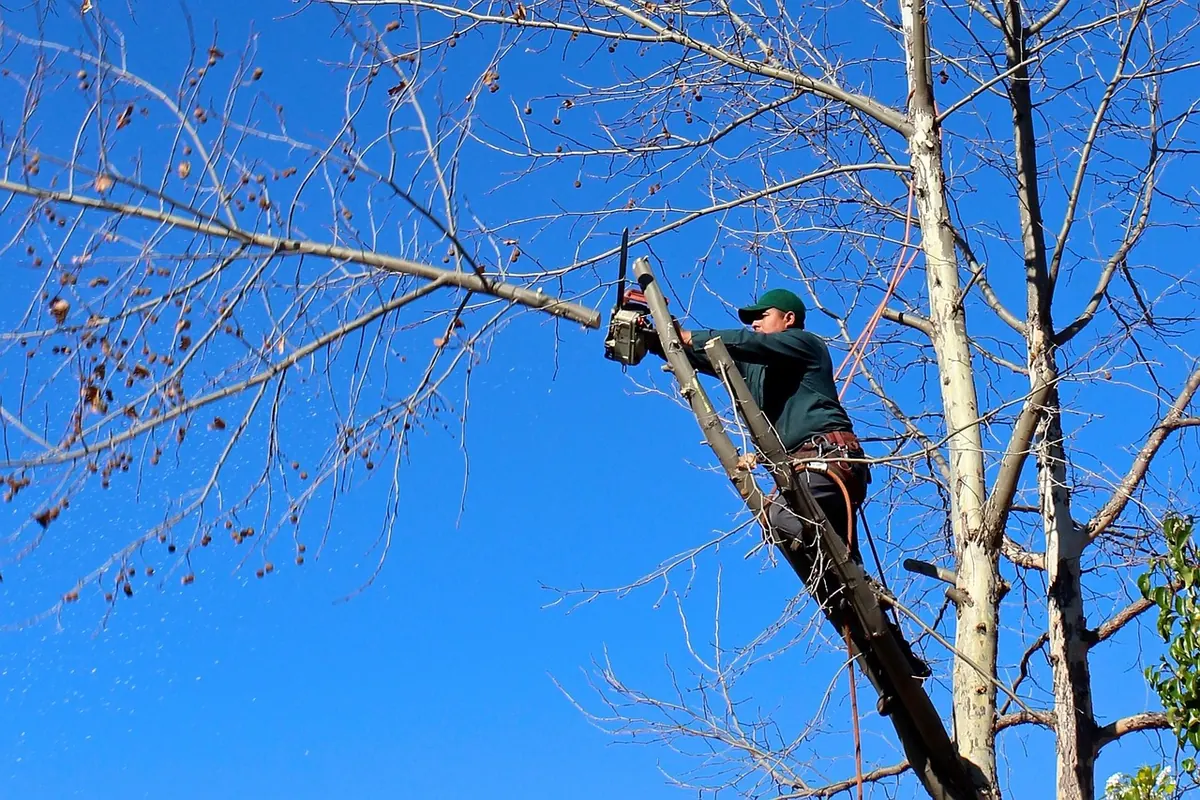
Rowans are forgiving trees. Give one a reasonable spot and it will reward you with cream froths of spring blossom, a compact rounded canopy, and berries that feed blackbirds and waxwings well into winter. Pruning, though, is where goodwill can go wrong. Rowan wood is soft, its bark is thin, and a cut made at the wrong moment can open a door for decay in a trunk that took twenty years to build. The reassuring part is that most rowans need very little cutting at all — and what they do need is straightforward once you know when to pick up the saw.
When to Prune a Rowan Tree
There are two good windows, and choosing between them depends on what you are trying to achieve.
Late winter to early spring: for structure
From roughly February to mid-March, while the tree is still dormant but the hardest frosts have passed, is the classic time for real structural work. This is when you remove dead or damaged limbs, thin a congested crown, or start bringing an overgrown, neglected rowan back into shape. The tree has the whole growing season ahead of it to seal the cuts, and you can see the branch framework clearly without leaves in the way.
The trade-off is berries. Rowan flowers on growth produced from buds formed the previous year, so anything you cut in late winter is likely to be blossom you will not see in May, and fruit you will not see in September. On a young tree that barely matters. On a mature specimen you grow for its autumn display, it does.
Midsummer: for shaping and for berries
Late July and August is the gentler option. The tree is in active growth, so small wounds close over quickly, and because flowering is finished you can shorten an overlong branch or thin the middle of the crown without sacrificing this year's crop of berries. Keep the work light: this is a window for tidying and balancing, not for heavy renovation. If you garden where fireblight is a known problem — rowans belong to the rose family, which includes many of its hosts — follow local guidance on the safest season for cuts.
When to leave the saw in the shed
Avoid autumn and early winter. Fungal spores are abundant, the tree is shutting down rather than healing, and a wound can sit open for months. Skip hard frosts too: frozen wood is brittle, and cutting through it bruises the living tissue around the cut. Wet weather is another reason to wait — damp tools and damp bark make it easy to spread problems from one tree to the next.
Which Branches to Remove
Work down this list in order, and stop when the tree looks balanced rather than bare.
- Dead, dying or broken wood. This can come out at any time of year, including summer. Cut back to healthy wood or to the branch collar.
- Crossing and rubbing branches. Where two limbs grind against each other, one of them will eventually lose its bark and become an entry point for decay. Remove the weaker of the two.
- Congested growth in the centre. Rowans can pack their middle with thin, twiggy shoots that shade the interior and stop air moving through. Take out a few of the weakest, not all of them.
- Narrow, tight-angled forks. Where two stems of similar size meet at a sharp angle, bark often becomes trapped between them. Reduce one stem or remove it while the tree is young.
- Suckers and water shoots. Rub out or cut shoots emerging from the base or from the rootstock, and remove the vigorous upright shoots that appear after heavy pruning.
- Low branches over paths, gates or seating. Lift them back to a sensible height rather than cutting them to stubs.
As a rule, take out no more than about a quarter of the living canopy in a single year. Older rowans respond better to less — spread renovation across three or four seasons.
How to Make a Cut That Heals
Clean cuts close; ragged ones do not. Use sharp bypass secateurs for stems up to about a finger's thickness, loppers for anything up to wrist size, and a pruning saw beyond that. Clean the blades between trees with methylated spirits or a household disinfectant.
For a branch thicker than a couple of centimetres, use the three-cut method so the weight of the limb does not tear the bark as it falls:
- Make an undercut about 30 cm from the trunk, roughly a third of the way through the branch.
- Cut from above a few centimetres further out, until the branch drops away.
- Cut the remaining stub back to the branch collar — the slight ridge of raised tissue where the branch meets the trunk. Angle the saw so you leave the collar intact, and do not cut flush with the trunk.
Skip wound paints and sealants. Rowan seals its own cuts, and a painted wound can trap moisture underneath. If you are cutting diseased wood, clean your tools before you touch anything else.
What a Well-Shaped Rowan Looks Like
The natural form is a rounded, slightly upright head on a short trunk, or sometimes several stems rising from the base if the tree has been allowed to grow that way. Aim to keep that character rather than forcing it into a lollipop. Thin the crown enough that you can see light and sky through it, keep the outline even, and resist the urge to shorten every long shoot you notice — rowans look best with a little freedom in their twigs.
Mistakes That Cause Lasting Damage
The most common error is the flush cut: slicing level with the trunk removes the branch collar and leaves a wound the tree cannot close properly. The second is the stub, which dies back and rots into the parent branch. Others to avoid:
- Topping a rowan, or cutting back every limb hard in one season. The tree answers with dense, weak regrowth and loses its shape for good.
- Pruning a mature rowan by more than a third in any one year.
- Using blunt or dirty tools, which crush tissue and spread disease.
- Leaning ladders against thin bark, or climbing the tree in wet weather.
If you find large areas of sunken, dead-looking bark, weeping patches or a sudden wilt on a mature rowan, it is worth calling a qualified arborist before you cut further. Some problems spread quickly with the wrong intervention.
A Simple Yearly Routine
Spend ten minutes with a pair of secateurs in late summer and you will rarely need to do much more. Walk around the tree, take the obvious dead twigs and any crossing shoots, clear the middle a little, and step back. If the canopy still looks crowded, wait until next year. Rowans grow slowly enough that patience costs you almost nothing — and they will keep their blossom, their berries and their shape far longer for it.
Photo: nightowl / Pixabay