
Rowan Tree Diseases and Pests: A Garden Identification Checklist
Rowan is one of the toughest small trees you can plant. It copes with wind, thin soil and cold, and it rewards you with blossom in May and berries that feed the birds long into winter. Tough is not the same as untroubled, though. Because rowan sits in the rose family, it shares many of its troubles with apples, pears, hawthorns and cotoneaster — which is genuinely useful, because you can borrow what gardeners already know about those relatives.
This checklist works through a rowan in the order that makes a diagnosis easiest: leaves, then bark and branches, then pests, then the site itself. Photograph as you go. A shot of the whole tree, plus close-ups of the front and back of an affected leaf, will settle most arguments with yourself later.
Start with the leaves
Leaf symptoms are the loudest signal, and most of them look worse than they are. Rowan leaflets are narrow and toothed, so damage shows up crisply against that fine texture.
Spots, blotches and coatings
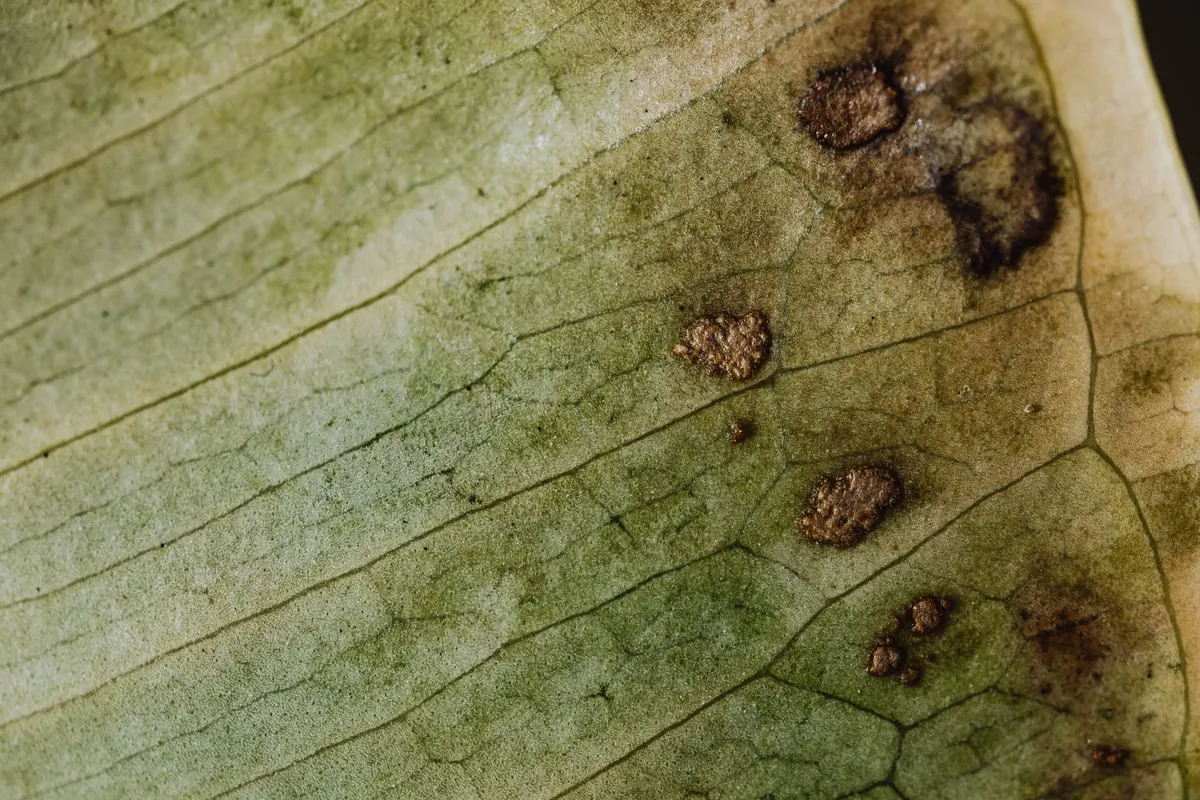
- Olive-brown to black velvety spots on leaves and fruit, often in wet springs. This is scab, a fungal disease rowan shares with apple. It is usually cosmetic on a mature tree and rarely worth spraying.
- Bright orange or rust-brown powdery pustules, mostly on the leaf underside. That is rust, which needs a second host plant nearby to complete its life cycle — often a juniper. Removing the rowan will not help if the partner plant stays.
- A grey-white powdery film over shoots and leaf surfaces is powdery mildew. It shows up in still, dry spells and on soft, crowded growth. Thinning the canopy often does more than any treatment.
- Fine pale speckling that slowly bleaches whole leaflets, sometimes with faint webbing, points to spider mites — worst in hot, dry summers and on trees stressed by drought.
Curling, blistering and shine
Curled, puckered, red-blushed leaves that feel sticky are almost always a sign of aphids. The stickiness is honeydew, and if you look closely you will often find ants farming the aphids and a black sooty mould growing on the residue.
A silvery, leaden sheen across the upper leaf surface, with a slightly pale rim, is different. That is silver leaf, a fungal problem that gets into pruning wounds and dead stubs. The leaves alone are not proof: cut a twig and look for dark staining inside the wood. If the wood is clean and pale, the shine is probably just drought or reflected light.
Yellow leaves with green veins are not a disease at all. Rowan prefers acid to neutral soil, and on chalk or heavily limed ground it can develop chlorosis, where the tree simply cannot take up iron efficiently.
Bark, trunk and branches
Anything happening on the trunk matters more than anything happening on the leaves, so slow down here.
Fire blight
Watch for shoot tips that blacken, wilt and bend over into a hook, with the dead leaves still attached. Sunken dark cankers may appear on the branch below, and in humid weather a sticky bacterial ooze can seep out. Rowan is susceptible, so treat this seriously. Cut back well into clean, pale wood, disinfect your tools between every cut, and do not compost the prunings. In some regions fire blight is a regulated disease, so check with your local plant health authority before moving cut material off site.
Honey fungus, canker and collar rot
- Honey fungus: look for white fungal sheets under the bark at the base, and black bootlace-like strands in the soil. Dieback in the crown plus these signs usually means the tree is being killed from below.
- Canker: sunken, dead-looking patches on stems and branches, sometimes studded with tiny red or orange pustules. It often follows drought stress or a pruning wound.
- Collar rot: dark, weeping patches at soil level, sometimes with a sour smell, suggest a Phytophthora root or collar infection. Waterlogged, heavy soil is the usual trigger.
Pests: read the evidence, not the culprit
Most rowan pests are hidden or nocturnal, so you are usually diagnosing from traces rather than from the insect itself.
- Aphids — sticky leaves, curled shoots, ants running up and down the trunk, sooty mould on the upper leaf surface.
- Scale insects — small brown, limpet-like bumps clustered along twigs, again with honeydew.
- Caterpillars and sawfly larvae — holes nibbled from leaf edges, or whole leaflets reduced to a skeleton. Check the underside, including at night.
- Leaf miners — pale meandering trails between the upper and lower leaf surfaces. Disfiguring, but rarely harmful to the tree's health.
- Vine weevil — notched edges on container-grown rowans, with pale grubs curled in the compost.
- Deer, rabbits and voles — bark stripped or gnawed, often in winter. Voles work at ground level, frequently hidden under a mulch mound.
- Birds and wasps — berries vanishing in a few days. That is the tree doing its job, not a problem to solve.
When the problem is the site, not a disease
Rowan is a mountain tree. It wants cool, moist roots, sharp drainage and plenty of light, and it sulks when it gets the opposite. Before you reach for a treatment, rule out the ordinary causes: drought in the top 30cm of soil, waterlogging in winter, compaction from foot traffic or machinery, strimmer damage to the bark, a mulch mound piled against the trunk, road salt washing into the border, or reflected heat from a south-facing wall. Newly planted rowans also sulk for a season or two after transplanting, which looks alarming and usually resolves itself.
A photo checklist to run before you treat anything
- Whole tree from a few metres back, showing the silhouette and where the damage sits on the crown.
- Any dead or dying branches, photographed from below so you can see where they join the trunk.
- Front and back of one affected leaf, laid flat on plain paper.
- A tight close-up of the spots or pests, with a coin in frame for scale.
- A twig showing buds, bark texture and any insect clusters.
- The base of the trunk, including the soil line and any fungal growth.
- Notes: the date, recent weather, how long it has looked like this, and any recent pruning or building work nearby.
What to do with what you have found
Most rowan complaints turn out to be cosmetic. Scab, rust, leaf miners and powdery mildew rarely shorten a tree's life, and the sensible response is to keep the tree vigorous: water deeply in dry spells, mulch to a depth of about 8cm but keep it clear of the trunk, and remove congested growth in late summer so air moves through the crown.
Prune on a dry day, and clean your secateurs and saw between cuts and between trees. Never compost diseased prunings, and never leave stubs — silver leaf and canker both enter through tidy wounds faster than you would expect. If you find honey fungus, fire blight, or a tree that has died back by more than a third in one season, stop and get a qualified arborist or plant health adviser to look at it. That is a job for eyes on the tree, not a photo and a guess.